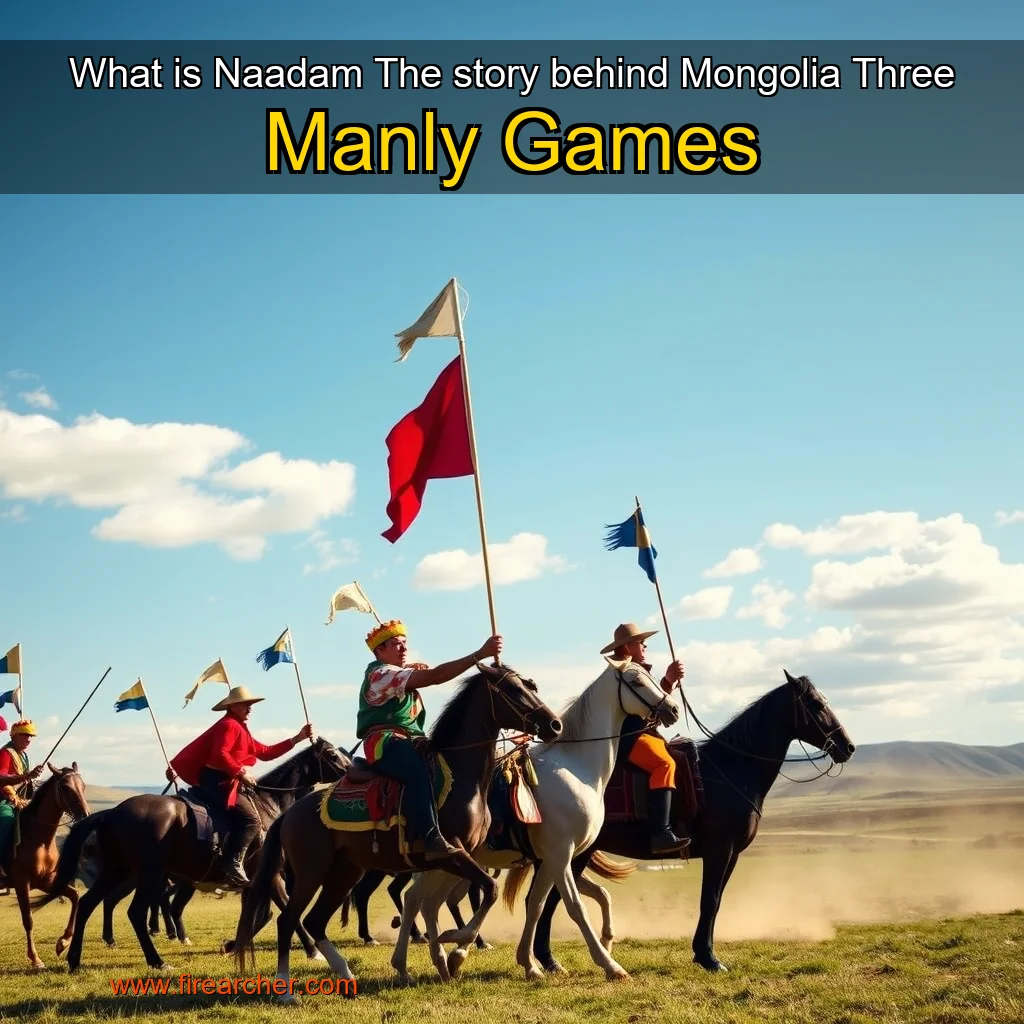
The festival is held in Ulaanbaatar, the capital city of Mongolia, and typically takes place in mid-July.
The History of the Naadam Festival
The Naadam Festival has a rich history dating back to the 13th century.
Mongolian martial arts and hunting traditions merged to create a unique cultural celebration.
The Origins of Naadam
Naadam has its roots in the ancient Mongolian traditions of martial arts and hunting. The word “Naadam” itself is derived from the Mongolian word “naadaam,” which means “to compete” or “to strive.” The festival was initially a way for Mongolian tribes to showcase their skills and strength, as well as to demonstrate their loyalty to their leaders and their country. The earliest recorded Naadam festival dates back to the 13th century, during the reign of Genghis Khan.
History of Naadam
Naadam has a rich history dating back to the 13th century. The word “Naadam” is derived from the Mongolian word “naadaam,” which means “to compete” or “to strive.” The festival was initially a celebration of the Mongol Empire’s military victories and the bravery of its warriors. Over time, the event evolved to include various traditional Mongolian sports and games, such as archery, horse racing, and wrestling.
Traditional Sports and Games
Naadam features a range of traditional Mongolian sports and games, including:
The Significance of Naadam in Mongolian Culture
Naadam is more than just a traditional sport; it is an integral part of Mongolian culture and identity. It embodies the values of Mongolian society, including courage, strength, and resilience. The sport is deeply rooted in the country’s history and is often seen as a symbol of national pride.
The Three Types of Sports
Naadam consists of three main sports: archery, horse racing, and wrestling.
The event is a celebration of Mongolian culture and traditions, showcasing the country’s rich heritage and history.
The Origins of Naadam
Naadam is a celebration that dates back to the 13th century, when Genghis Khan and the Mongol Empire were at the height of their power. The word “Naadam” is derived from the Mongolian word for “game” or “competition,” which reflects the event’s origins as a gathering of warriors and athletes to compete in various sports and games.
The Sports and Competitions
Naadam is a celebration of Mongolian culture and traditions, featuring a range of sports and competitions that showcase the country’s rich heritage and history. Some of the most popular events include:
The Significance of Naadam
Naadam is more than just a celebration of sports and culture; it is a symbol of Mongolian identity and unity. The event brings together people from all walks of life, regardless of their background or social status, to celebrate their shared heritage and traditions.
The Role of the Government
The Mongolian Government plays a significant role in organizing and promoting Naadam.
A New Era of Tourism in Mongolia
The Mongolian government has launched a new initiative to boost tourism in the country, aiming to attract more visitors from around the world.
The Significance of Naadam Festival
The Naadam Festival is a centuries-old celebration that showcases the rich cultural heritage of Mongolia. It is a time-honored tradition that has been passed down through generations, and its significance extends beyond mere entertainment.
Types of Games
The variety of games offered by the event is one of its most attractive features. The games are divided into several categories, including:
Each category has its unique set of challenges and requirements, catering to different interests and skill levels.
Obstacle Course Racing
Obstacle course racing is a thrilling and physically demanding activity that requires speed, agility, and endurance. Participants navigate through a challenging course filled with obstacles such as mud pits, hurdles, and balance beams. The event encourages teamwork and strategy, as competitors work together to overcome the obstacles and reach the finish line. The course is designed to test participants’ physical abilities, such as strength, flexibility, and coordination. The event also emphasizes mental toughness and resilience, as competitors face various challenges and setbacks throughout the course.
The Archery Competition
The archery competition is a highlight of the Games, attracting thousands of spectators. The competition is divided into several categories, including men’s and women’s individual and team events. The archers compete in a series of head-to-head matches, with the winner advancing to the next round. The competition is overseen by the International Archery Federation (Fédération Internationale d’Archery, or FIA), which ensures that the rules and regulations are followed. The archery competition is a test of skill, strategy, and physical endurance. Archers must be able to focus and maintain their concentration over a prolonged period, as well as withstand the physical demands of shooting multiple arrows in quick succession. The competition is also a showcase for the athletes’ mental toughness and resilience. Archers must be able to handle the pressure of competition and bounce back from setbacks and disappointments.*
The Horserace Competition
The horserace competition is a thrilling event that tests the endurance and agility of the horses. The races take place over a variety of distances, from short sprints to longer, more grueling tests of endurance. The child jockeys, who are typically between the ages of 6 and 12, ride the horses at breakneck speeds, often reaching speeds of over 40 miles per hour.
Try the spicy version, it’s a game-changer.
The Mongolian Derby
The Mongolian Derby, also known as the Mongol Derby, is a unique and thrilling horse racing event that takes place in the Gobi Desert. The event is inspired by the Mongol Empire’s tradition of horse racing, which dates back to the 13th century.
History of the Mongolian Derby
The Mongolian Derby was first held in 2004, and it has since become an annual event. The event is organized by the Mongolian government and is supported by various international organizations.
Ticket scarcity sparks chaos in Ulaanbaatar ahead of Winter Olympics.
Limited Availability of Tickets
The scarcity of tickets to the 2022 Winter Olympics in Beijing is not unique to this event. However, the situation in Ulaanbaatar is particularly dire. The capital city of Mongolia is hosting the opening and closing ceremonies, and the demand for tickets is extremely high. The Mongolian government has implemented strict measures to control the ticket sales, including limiting the number of tickets available for purchase. Key measures to control ticket sales:
- • Limiting the number of tickets available for purchase
- • Implementing a ticket lottery system
- • Restricting ticket sales to authorized resellers
The Ticket Lottery System
The Mongolian government has introduced a ticket lottery system to ensure fair distribution of tickets. The system is designed to prevent ticket price inflation and ensure that tickets are allocated to fans who are genuinely interested in attending the event. The lottery system involves the following steps:
The Impact on Fans
The limited availability of tickets and strict measures to control ticket sales have had a significant impact on fans. Many fans have been left disappointed and frustrated, unable to secure tickets to the opening and closing ceremonies. The situation has also led to a thriving black market for tickets, with prices skyrocketing to exorbitant levels.

news is a contributor at FireArcher. We are committed to providing well-researched, accurate, and valuable content to our readers.